Roadworthy certificate Melbourne
Roadworthy Certificate Melbourne - Everything You Need to Know
If you’re buying, selling, or re-registering a vehicle in Victoria, obtaining a Roadworthy Certificate in Melbourne is a crucial step. This certificate confirms that your car meets the minimum safety standards required by VicRoads, ensuring it’s safe to operate on public roads. Whether you’re a private seller, a buyer, or just updating registration, understanding the RWC process helps you avoid delays, fines, or unexpected repairs.
Getting a car RWC in Melbourne involves a detailed inspection of key safety components like brakes, tyres, steering, suspension, and lights. While it doesn’t guarantee a vehicle’s mechanical condition or lifespan, it confirms that it’s roadworthy at the time of inspection. With expert guidance and a qualified roadworthy inspector, the process is straightforward and essential for legal vehicle transfers or registration.
Why a Roadworthy Certificate Matters
Legal Requirements
In Victoria, a roadworthy certificate is required by VicRoads when a vehicle is being sold, re-registered, or transferred to another owner. Without it, the transfer process can’t be completed legally.
Buying or Selling a Vehicle
If you're buying a used vehicle, a valid Car RWC in Melbourne offers peace of mind that the car is in good condition. For sellers, providing an RWC speeds up the transaction and builds trust with potential buyers.
RWC Eligibility Criteria
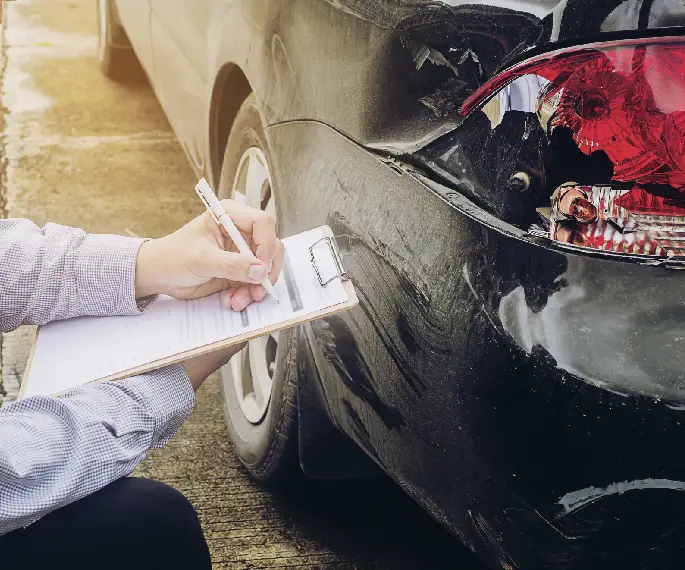
In Melbourne, a Roadworthy Certificate (RWC) can only be issued if your vehicle meets the minimum safety requirements set by VicRoads. The inspection is carried out by a licensed vehicle tester and checks key components to ensure the car is safe for use on public roads.
To be eligible for an RWC, your vehicle must:
- Be registered or capable of being registered in Victoria
- Pass a comprehensive safety inspection covering brakes, tyres, steering, suspension, lights, windscreen, and other essential components
- Have no major rust or structural damage that affects safety
- Be free from unroadworthy modifications or dangerous defects
An RWC is generally required when selling, transferring ownership, or re-registering a vehicle in Victoria. Even if your car is mechanically sound, it must meet all safety standards to qualify.

Roadworthy vs Safety Certificates
In Victoria, a roadworthy certificate is required by VicRoads when a vehicle is being sold, re-registered, or transferred to another owner. Without it, the transfer process can’t be completed legally.

Vehicle Types That Require RWC
Most light vehicles, including cars, motorcycles, trailers, and caravans, require an RWC when transferring ownership. Heavier vehicles may be subject to different rules under commercial regulations.
What’s Checked During an RWC Inspection
Brakes, Suspension, Steering, Tyres
Your vehicle’s core safety systems—like brakes, steering, tyres, and suspension—must be in good working order. Excessive wear, fluid leaks, or uneven tyre tread can cause a fail.
Lights, Windscreens, and Safety Features
Inspectors check that all lights (headlights, indicators, brake lights) are functioning correctly. The windscreen must be crack-free, and seatbelts, mirrors, and other vehicle safety features must be intact and compliant.
What’s Checked During an RWC Inspection
The cost of a roadworthy certificate in Melbourne varies depending on vehicle type, condition, and the workshop’s pricing. Expect to pay anywhere between $150 and $250. A certificate is typically valid for 30 days from the date of issue, giving you a short window to complete the transfer or registration process.
How to Prepare Your Vehicle for an Inspection
To avoid delays or a re-inspection fee, give your vehicle a basic check-up beforehand:
- Replace worn wiper blades and tyres
- Check all lights and indicators
- Top up fluids
- Fix any visible damage
- Ensure brakes and steering feel firm and responsive
A quick pre-check can prevent small issues from holding you back.
Need a Reliable Roadworthy Service?
Book a trusted vehicle roadworthy check in Melbourne with experienced inspectors. We offer mobile roadworthy services for your convenience, bringing the inspection to your doorstep. Fast, hassle-free, and fully authorised.
Enquire Now
FAQs
When is a roadworthy certificate needed in Victoria?
It’s required when selling or transferring a used vehicle, or when registering an unregistered vehicle.
What does an RWC inspection include?
It covers brakes, tyres, suspension, steering, lights, seatbelts, mirrors, and windscreen integrity.
Can a car fail a roadworthy even if it runs well?
Yes. Running condition isn’t enough—if critical safety components are worn or faulty, it can still fail.
Can a roadworthy certificate be transferred to another vehicle?
No. The certificate is specific to the vehicle it was issued for and cannot be transferred.